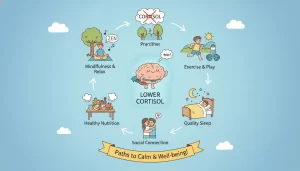

How to Lower Cortisol Naturally for a Healthier You:
Triumph Over Stress
You want to know how to lower cortisol naturally because in our fast-paced modern world, stress feels like an unwelcome constant. While short bursts of stress can be helpful, chronic stress can wreak havoc on our bodies, primarily through the overproduction of a hormone called cortisol.
Often dubbed the “stress hormone,” cortisol plays a vital role in our fight-or-flight response. However, when it’s consistently elevated, it can lead to a cascade of negative health consequences, from weight gain and poor sleep to weakened immunity and mood disturbances.
The good news? You don’t have to rely solely on medication to manage this powerful hormone. There are numerous effective and sustainable strategies for how to lower cortisol naturally. By adopting a holistic approach that focuses on lifestyle, diet, and mindset, you can regain balance and cultivate a more resilient physiological state.
If you’re wondering how to lower cortisol naturally, read on for actionable tips to reclaim your well-being.
Understanding Cortisol and Its Impact
Before diving into solutions, it’s crucial to understand why managing cortisol is so important. When you perceive a threat, your adrenal glands release cortisol and adrenaline. This triggers a surge of energy, sharpens your focus, and prepares you to either fight or flee. Once the threat subsides, cortisol levels typically return to normal.
However, in our modern lives, stressors are often chronic – demanding jobs, financial worries, relationship issues, even staying glued to the news. This leads to persistent high cortisol levels, which can contribute to:
* Weight Gain: Especially around the abdomen, due to increased appetite and fat storage.
* Sleep Disturbances: Difficulty falling asleep, staying asleep, or feeling unrested.
* Impaired Immune Function: Making you more susceptible to illness.
* Mood Swings and Anxiety: Irritability, depression, and feelings of being overwhelmed.
* Digestive Issues: Such as bloating, constipation, or diarrhea.
* Cardiovascular Problems: Increased blood pressure and heart rate.
* Cognitive Impairment: Memory problems and difficulty concentrating.
Proven Strategies: How to Lower Cortisol Naturally
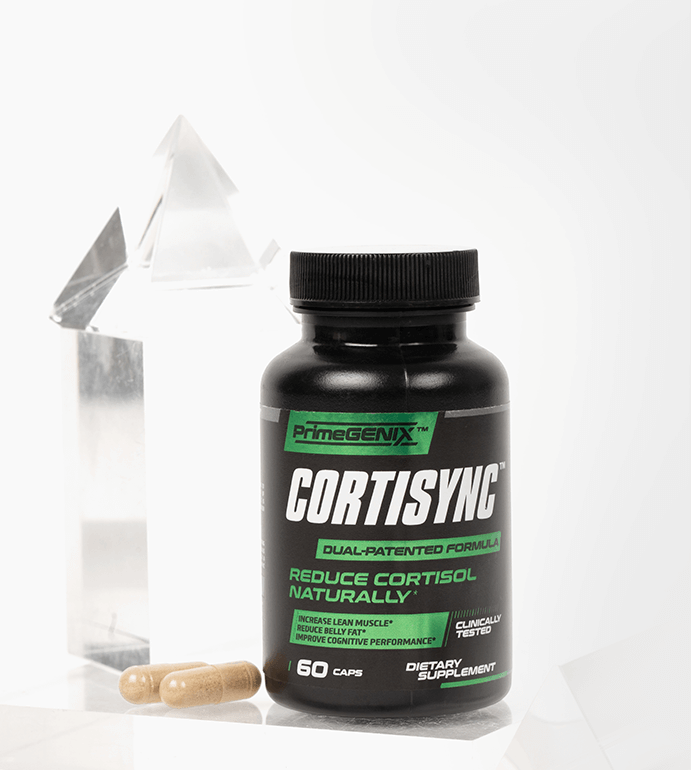 You can use a powerful proven natural supplement like Cortisync to kick start lowering cortisol
The key to effectively lowering cortisol naturally lies in addressing the root causes of chronic stress and supporting your body’s natural regulatory mechanisms. Here’s your comprehensive guide:
1. Prioritize Quality Sleep: The Cornerstone of Cortisol Regulation
Adequate sleep is perhaps the most critical factor in managing cortisol. When you’re sleep-deprived, your body compensates by producing more cortisol.
* Establish a Consistent Sleep Schedule: Go to bed and wake up around the same time, even on weekends.
* Create a Relaxing Bedtime Routine: Wind down with a warm bath, reading, or gentle stretching.
* Optimize Your Sleep Environment: Ensure your bedroom is dark, quiet, and cool.
* Limit Screen Time Before Bed: The blue light emitted from electronic devices can interfere with melatonin production.
2. Embrace Mindfulness and Stress-Reduction Techniques
Actively engaging in practices that calm your nervous system is paramount. These techniques help shift your body out of the fight-or-flight response.
* Meditation: Even a few minutes of daily meditation can significantly reduce stress hormones.
* Deep Breathing Exercises: Practice diaphragmatic breathing to activate your parasympathetic nervous system.
* Yoga and Tai Chi: These mind-body practices combine gentle movement with breathwork and meditation.
* Journaling: Expressing your thoughts and feelings can be a cathartic way to process stress.
3. Nourish Your Body with the Right Foods: A Cortisol-Friendly Diet
What you eat directly impacts your stress response. Focus on whole, unprocessed foods that provide essential nutrients.
* Include Plenty of Fruits and Vegetables: Rich in antioxidants and vitamins that combat inflammation.
* Opt for Healthy Fats: Avocados, nuts, seeds, and olive oil help regulate hormones.
* Choose Lean Protein Sources: Fish, poultry, beans, and lentils.
* Incorporate Probiotic-Rich Foods: Fermented foods like yogurt and kimchi support gut health, which is closely linked to stress.
* Limit Caffeine and Alcohol: These can disrupt sleep and trigger the stress response.
* Reduce Sugar Intake: High sugar consumption can lead to cortisol spikes.
* Consider Magnesium-Rich Foods: Leafy greens, nuts, and seeds can help calm the nervous system.
4. Engage in Regular Physical Activity: The Stress Reliever
While intense exercise can temporarily elevate cortisol, regular moderate activity has a profound stress-reducing effect.
* Aim for at Least 150 Minutes of Moderate-Intensity Aerobic Exercise per Week: Think brisk walking, swimming, or cycling.
* Incorporate Strength Training: Builds muscle and improves overall metabolic health.
* Listen to Your Body: Avoid overtraining, which can be counterproductive. If you’re feeling overwhelmed, opt for gentler activities like walking or stretching.
5. Build Strong Social Connections: The Power of Support
Human connection is a powerful buffer against stress. Nurturing strong relationships provides emotional support and can help regulate cortisol.
* Spend Quality Time with Loved Ones: Make time for friends and family.
* Talk About Your Feelings: Sharing your concerns with trusted individuals can be incredibly beneficial.
* Join a Support Group: Connect with others who share similar experiences.
6. Spend Time in Nature: The Ultimate Calming Agent
The natural world has a remarkable ability to soothe the mind and body.
* Go for Walks in Parks or Forests: Even a short dose of greenery can reduce stress.
* Engage in Outdoor Hobbies: Gardening, hiking, or simply sitting by a lake can be restorative.
7. Practice Gratitude and Positive Affirmations
Shifting your focus to the positive can significantly impact your stress levels.
* Keep a Gratitude Journal: Regularly write down things you are thankful for.
* Use Positive Affirmations: Repeat uplifting statements about yourself and your capabilities.
When to Seek Professional Help
While these natural strategies are incredibly effective, persistent high cortisol levels that are significantly impacting your health may require professional intervention. If you’re struggling with severe symptoms or have concerns about your hormonal balance, consult with your doctor or a qualified healthcare professional. They can perform tests to assess your cortisol levels and recommend appropriate treatments, which may include lifestyle modifications alongside medical guidance.
### Embrace the Journey to Lower Cortisol Naturally
Learning how to lower cortisol naturally is not about eliminating stress entirely – it’s about building resilience and equipping your body with the tools it needs to manage it effectively. By integrating these lifestyle changes into your daily routine, you can gradually reduce your cortisol levels, improve your overall well-being, and unlock a calmer, healthier, and more vibrant you. Start small, be consistent, and celebrate your progress on this empowering journey.