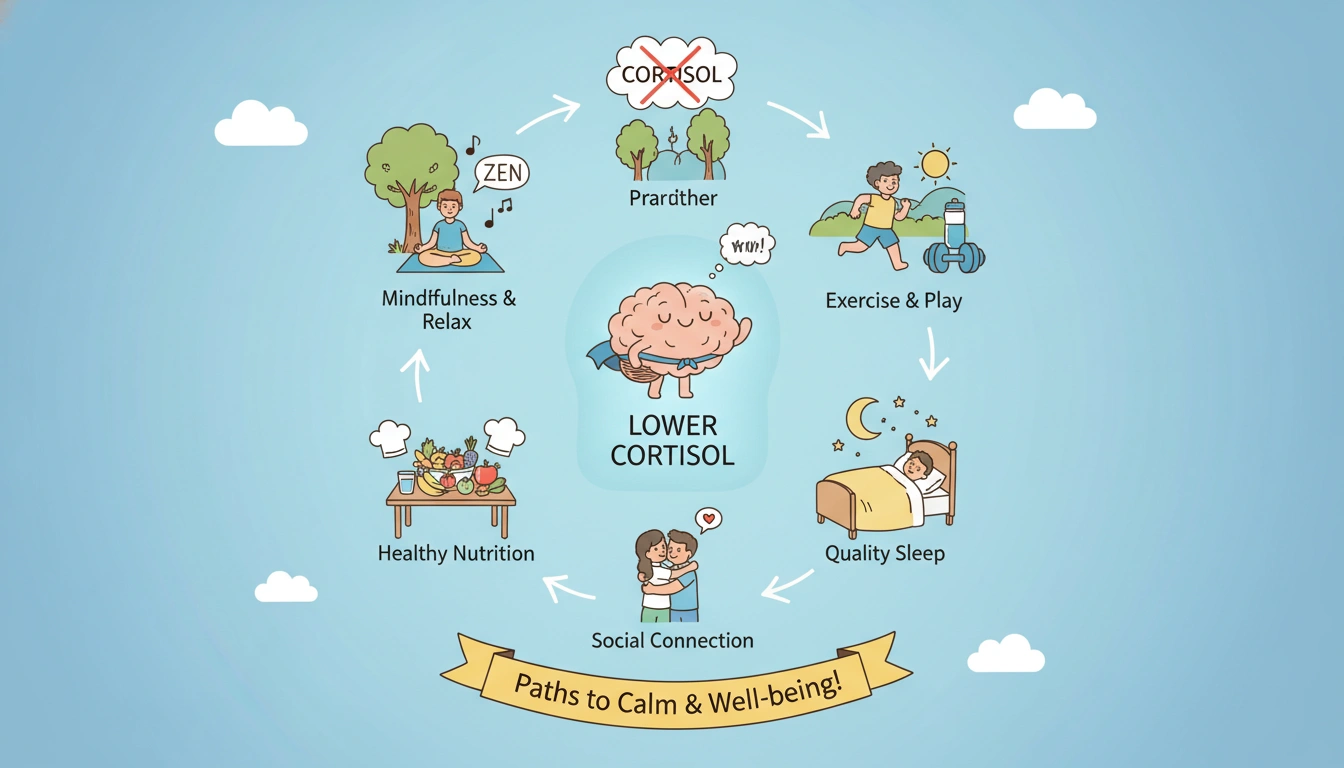

Your Ultimate Guide on How to Lower Cortisol Levels
How to lower cortisol levels without resorting to drugs or harmful chemicals.
In today’s fast-paced world, stress often feels like an unavoidable companion. While a certain amount of stress is normal and even beneficial, chronic stress can wreak havoc on our bodies, and a key culprit is the hormone cortisol. Often referred to as the “stress hormone,” cortisol plays a vital role in regulating metabolism, immune function, and the body’s response to danger. However, when your cortisol levels are consistently elevated, it can lead to a cascade of negative health consequences.
Fortunately, you don’t have to resign yourself to constant stress. This comprehensive guide will explore effective, natural strategies on how to lower cortisol levels and restore balance to your body and mind.
Understanding Why Lowering Cortisol Levels Matters
Before diving into the “how,” let’s briefly touch on why actively working on how to lower cortisol levels is so crucial for your well-being. Chronically high cortisol can contribute to or worsen:
* Weight gain, particularly around the abdomen
* Sleep disturbances (insomnia or poor sleep quality)
* Anxiety and depression
* Digestive issues
* Weakened immune system
* Increased risk of chronic diseases like heart disease and diabetes
* Mental fog and difficulty concentrating
* Skin problems
* Muscle loss
The good news is that by implementing lifestyle changes, you can significantly learn how to lower cortisol levels thus impact your cortisol levels and experience a renewed sense of calm and vitality.
The Cornerstone: Mastering Stress Management Techniques
This is arguably the most direct and powerful way on how to lower cortisol levels. When you learn to manage stress effectively, you signal to your body that it’s safe to bring cortisol back down.
* Mindfulness and Meditation: Even a few minutes of daily meditation can make a profound difference. Focus on your breath, observe your thoughts without judgment, and allow yourself to be present. Apps like Calm, Headspace, or Insight Timer offer guided meditations for beginners and experienced practitioners alike.
* Deep Breathing Exercises: Simple yet incredibly effective. Try the 4-7-8 breathing technique: inhale deeply through your nose for a count of 4, hold your breath for a count of 7, and exhale slowly through your mouth for a count of 8. Repeat for a few minutes.
* Yoga and Tai Chi: These ancient practices combine gentle movement, breathwork, and mindfulness, making them excellent for reducing stress and how to lower cortisol levels.
* Journaling: Writing down your thoughts and feelings can be a cathartic way to process emotions and gain perspective, helping to alleviate stress.
* Spending Time in Nature: Research consistently shows that being outdoors, whether it’s a walk in the park or simply sitting under a tree, can effectively reduce cortisol.
Prioritize Sleep: Your Body’s Natural Cortisol Regulator
Sleep is not a luxury; it’s a fundamental pillar of health, playing a critical role in hormone regulation. Poor sleep quality or insufficient sleep can significantly elevate cortisol.
* Establish a Consistent Sleep Schedule: Go to bed and wake up around the same time each day, even on weekends. This helps regulate your body’s natural circadian rhythm.
* Create a Relaxing Bedtime Routine: Wind down before bed with activities like taking a warm bath, reading a book, or listening to calming music.
* Optimize Your Sleep Environment: Ensure your bedroom is dark, quiet, and cool.
* Limit Screen Time Before Bed: The blue light emitted from electronic devices can interfere with melatonin production, making it harder to fall asleep.
Nourish Your Body: Diet’s Role in How to Lower Cortisol Levels
What you eat directly impacts your stress response and hormone balance.
* Focus on Nutrient-Dense Foods: Incorporate plenty of fruits, vegetables, lean proteins, and healthy fats. These provide essential vitamins and minerals that support the adrenal glands and overall stress resilience.
* Manage Blood Sugar Levels: Fluctuations in blood sugar can trigger cortisol release. Opt for complex carbohydrates, fiber-rich foods, and limit refined sugars and processed foods.
* Consider Magnesium-Rich Foods: Magnesium plays a crucial role in stress management. Include foods like leafy greens, nuts, seeds, and whole grains in your diet.
* Omega-3 Fatty Acids: Found in fatty fish, flaxseeds, and walnuts, these healthy fats have anti-inflammatory properties and can help regulate stress hormones.
* Probiotic-Rich Foods: A healthy gut can impact mood and stress levels. Include fermented foods like yogurt, kefir, and sauerkraut.
* Limit Caffeine and Alcohol: While they might provide a temporary boost, both can disrupt sleep and lead to cortisol spikes later. Moderation is key.
The Power of Movement: Exercise and Cortisol
Regular physical activity is a fantastic way on how to lower cortisol levels, but it’s important to find the right balance.
* Moderate Exercise is Key: Activities like brisk walking, jogging, swimming, and cycling can effectively reduce cortisol. Aim for at least 150 minutes of moderate-intensity aerobic exercise per week.
* Avoid Overtraining: While exercise is beneficial, excessive or overly intense training can actually increase cortisol levels. Listen to your body and incorporate rest days.
* Enjoyable Activities: Choose forms of exercise you genuinely enjoy to make it sustainable and less of a stressor.
Cultivate Social Connections and Laughter
Human connection and positive social interactions are powerful antidotes to stress.
* Spend Time with Loved Ones: Nurture your relationships with family and friends. Sharing your experiences and receiving support can significantly buffer stress.
* Engage in Social Activities: Join clubs, volunteer, or simply make time for coffee dates.
* Laughter is the Best Medicine: Make time for activities that make you laugh, whether it’s watching a comedy, spending time with funny friends, or enjoying a lighthearted hobby. Laughter has been shown to reduce cortisol levels.
Other Natural Strategies for How to Lower Cortisol Levels:
* Herbal Support (with caution): Certain adaptogenic herbs, like Ashwagandha and Rhodiola, are believed to help the body adapt to stress and may aid in how to lower cortisol levels. However, it’s essential to consult with a healthcare professional before using any herbal supplements. Not forgetting our favorite supplement Cortisync
* Aromatherapy: Essential oils like lavender, bergamot, and chamomile are known for their calming properties. Diffuse them in your home or add a few drops to a bath.
* Limit Exposure to Stressors: While not always possible, identify your biggest stressors and explore ways to mitigate or eliminate them from your life where feasible.
When to Seek Professional Help:
If you consistently struggle with high stress levels and are concerned about your cortisol, it’s important to consult a healthcare professional. They can help identify underlying causes, rule out any medical conditions, and recommend a personalized plan, which may include therapy, medication, or further diagnostic testing.
Take Control of Your Well-being:
Learning how to lower cortisol levels is an empowering journey. By integrating these natural strategies into your daily life, you can cultivate resilience, reduce the negative impacts of chronic stress, and foster a greater sense of calm and well-being. Start small, be consistent, and celebrate your progress. Your body and mind will thank you.