
Conquer the Stress Hormone: Foods That Lower Cortisol
Foods that lower cortisol should not be taken lightly in the fight against stress. In today’s fast-paced world, stress has become an unwelcome companion for many. Chronic stress takes a significant toll on our bodies, and one of the key players in this physiological drama is cortisol, often dubbed the “stubborn stress hormone.” While cortisol plays a crucial role in regulating various bodily functions, persistently high levels can lead to a host of health issues, including weight gain, sleep disturbances, impaired immunity, and even increased risk of certain diseases.
The good news? While managing stress is multifaceted, focusing on your diet can offer a powerful and delicious way to help lower cortisol. Yes, the foods you eat can actively contribute to taming this stress hormone. Let’s explore some of the top contenders from the realm of Foods That Lower Cortisol and discover how they can support your well-being.
The Power of Probiotics: Your Gut-Brain Connection
Your gut and brain are in constant communication, and your gut microbiome, teeming with beneficial bacteria, plays a surprisingly significant role in stress regulation. A healthy gut can help buffer the effects of stress on cortisol production.
* Fermented Foods: Think of items like yogurt (unsweetened, with live and active cultures), kefir, sauerkraut, kimchi, and kombucha. These natural sources of probiotics introduce beneficial bacteria to your digestive system. Regularly incorporating these into your diet can lead to a more balanced gut, potentially influencing your body’s stress response and helping you lower cortisol.
Omega-3 Fatty Acids: The Inflammation Fighters – Foods that Lower ortisol
Inflammation is often a byproduct of chronic stress, and cortisol can exacerbate this. Omega-3 fatty acids are renowned ingredient in foods that lower cortisol due to their anti-inflammatory properties, which can indirectly help to keep cortisol levels in check.
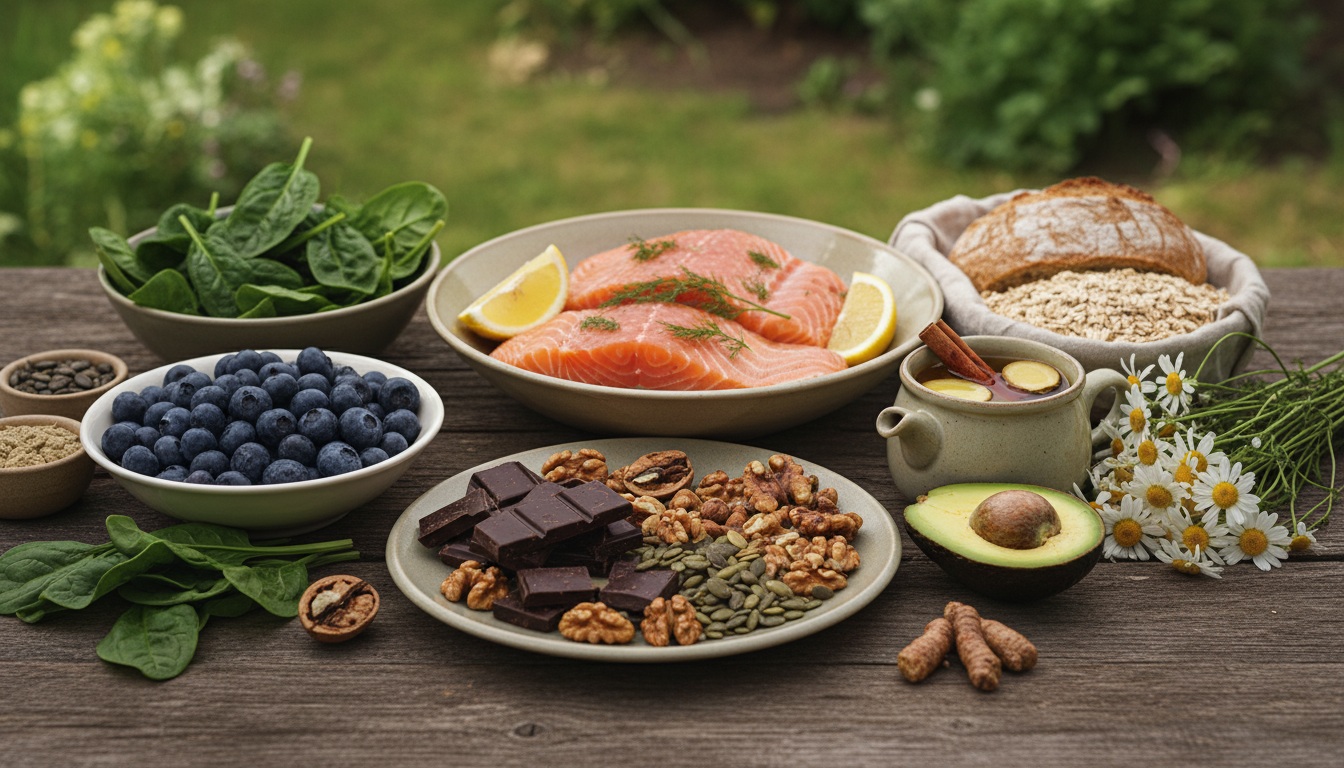
* Fatty Fish: Salmon, mackerel, sardines, and anchovies are powerhouses of EPA and DHA, the most beneficial omega-3s. Aim for at least two servings per week to reap their stress-busting benefits and support your journey with Foods That Lower Cortisol.
* Plant-Based Sources: If you’re vegetarian or vegan, don’t worry! Flaxseeds, chia seeds, hemp seeds, and walnuts are excellent sources of ALA, another type of omega-3 that your body can convert into EPA and DHA, albeit less efficiently.
Antioxidant Marvels: Fighting Cellular Damage
When we’re stressed, our bodies can experience increased oxidative stress. Antioxidants act as tiny warriors, neutralizing harmful free radicals and protecting our cells from damage. This can help reduce the inflammatory cascade that often accompanies high cortisol.
* Berries: Blueberries, strawberries, raspberries, and blackberries are bursting with antioxidants like anthocyanins. Enjoy them fresh, in smoothies, or sprinkled over yogurt. They are delicious and effective Foods That Lower Cortisol.
* Leafy Greens: Spinach, kale, and Swiss chard are packed with vitamins, minerals, and antioxidants. Incorporate them into salads, stir-fries, or even blend them into your morning smoothie for a powerful antioxidant boost.
* Dark Chocolate: In moderation, dark chocolate (70% cacao or higher) can be a delightful way to boost your antioxidant intake. Its flavanols have been linked to stress reduction and improved mood, contributing to your efforts to lower cortisol.
Magnesium-Rich Foods that Lower Cortisol: The Calming Minerals
Magnesium is a vital mineral involved in hundreds of bodily processes, including stress response. Low magnesium levels have been associated with increased cortisol and heightened sensitivity to stress.
* Nuts and Seeds: Almonds, cashews, pumpkin seeds, and sunflower seeds are excellent sources of magnesium. A handful as a snack can be a simple yet effective strategy for incorporating these Foods That Lower Cortisol.
* Whole Grains: Oats, quinoa, and brown rice provide a good dose of magnesium alongside other essential nutrients.
* Dark Leafy Greens: As mentioned before, they are also magnesium superstars!
Adaptogens: The Stress-Modulating Superstars
Adaptogens are a class of herbs and mushrooms that are believed to help the body adapt to stress and restore balance. While more research is ongoing, many find them beneficial for managing cortisol.
* Ashwagandha: This ancient Ayurvedic herb is one of the most well-known adaptogens. It’s often consumed as a supplement or in powdered form mixed into drinks, recognized for its potential in Foods That Lower Cortisol.
* Rhodiola Rosea: This herb may help improve mental and physical stamina and reduce fatigue associated with stress.
* Reishi Mushroom: Known as the “mushroom of immortality,” reishi has been used for centuries to promote relaxation and stress relief.
Hydration and Herbal Teas: Simple Yet Powerful
Sometimes, the simplest solutions are the most effective. Staying well-hydrated is crucial for overall health, and certain herbal teas can offer calming benefits.
* Water: Essential for all bodily functions, adequate hydration can support your body’s ability to manage stress.
* Chamomile Tea: Famously known for its calming properties, chamomile can help soothe the nervous system and promote relaxation.
* Peppermint Tea: This refreshing tea can aid digestion and may offer a gentle stress-reducing effect.
What to Limit: Foods That Can Worsen Cortisol
Just as certain foods that lower cortisol, others can contribute to its increase. Consider limiting:
* Refined Sugars and Processed Foods: These can cause blood sugar spikes and crashes, which can trigger a stress response.
* Excessive Caffeine: While moderate intake might be fine for some, high consumption can exacerbate anxiety and elevate cortisol.
* Alcohol: While it might feel like a temporary stress reliever, alcohol disrupts sleep and can negatively impact cortisol levels in the long run.
Embracing a Cortisol-Conscious Diet
Incorporating these Foods That Lower Cortisol into your daily routine is a powerful step towards managing your stress levels naturally. Remember, consistency is key. Don’t aim for perfection overnight; focus on making gradual, sustainable changes.
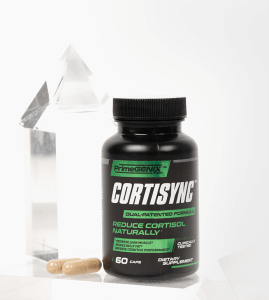
Combine these dietary strategies with other stress-management techniques like exercise, mindfulness meditation, and adequate sleep for a truly holistic approach or even a proven supplement like Cordisync. By nourishing your body with the right foods, you can empower yourself to conquer the stubborn stress hormone and foster a more balanced and resilient you.